

Preservation
The Annual Home Preservation Checklist
A year of attention, organized so nothing important waits until it becomes urgent.
August 1, 2026 · 7 min read
By Diamond Shine Family · Private Residence Stewardship™
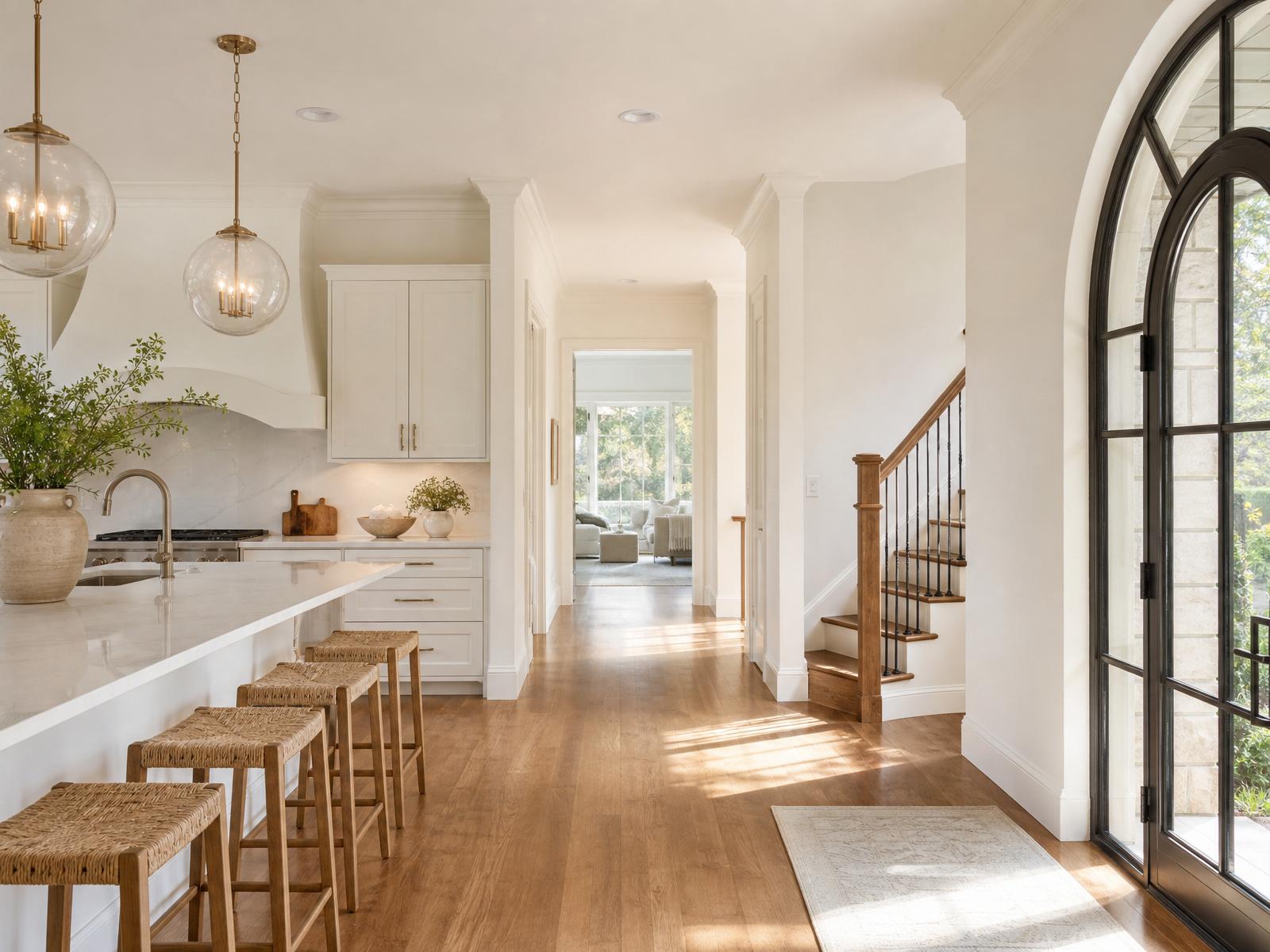
Homes rarely decline suddenly. They drift — one delayed detail at a time — until a season of catching up is required. A preservation year is simply attention placed on a schedule, so the home stays ready rather than being recovered.
Early year — reset and record
- A deeper interior reset: baseboards, blinds, ceiling fans, light fixtures, vents and the corners routine care passes by.
- A walk-through of high-traffic flooring to note traffic lanes, edges and stairs while they are still easy to address.
- A written record of what was done, so next year begins with information instead of guesswork.
Spring — surfaces and thresholds
- Interior glass, tracks and sills, where dust and pollen collect first.
- Grout lines in kitchens, entries and primary bathrooms assessed for even color.
- Entry mats, thresholds and door hardware — the first thing every guest touches.
- Exterior flatwork such as drives, walkways and patios reviewed for accumulated soil.
Summer — textiles and heavy use
- Upholstered and soft surfaces reviewed after a season of visitors and pets.
- Guest rooms and secondary baths prepared before travel season rather than during it.
- Pet-frequented areas given targeted attention before odor becomes noticeable.
Autumn — preparation for hosting
- Kitchen detail work: exterior appliance surfaces, cabinetry faces, hardware, backsplash.
- Dining and gathering rooms brought to presentation condition, not merely maintenance condition.
- Linens, glassware, serving surfaces and entry presentation planned ahead of the first gathering.
Winter — protection and review
- Interior air-path attention: vent faces, fan blades, fixture surfaces, dust-holding ledges.
- A condition review of restored surfaces from earlier in the year.
- Next year's care rhythm confirmed — frequency, priorities and any specialty work to schedule early.
Why a rhythm outperforms a rescue
A home under a care rhythm needs less intervention over time. Surfaces are addressed before residue sets, textiles before soil is ground in, presentation before a deadline forces it. The result is a house that is quietly always ready — for a Tuesday evening or an unexpected weekend of guests.
You do not need to hold this calendar yourself. Holding it is part of what a preservation relationship is for.