
Restoration
Restore or Replace? A Homeowner's Decision Framework
A calm way to decide whether a surface needs renewal, repair, or genuine replacement.
August 1, 2026 · 6 min read
By Diamond Shine Family · Private Residence Stewardship™
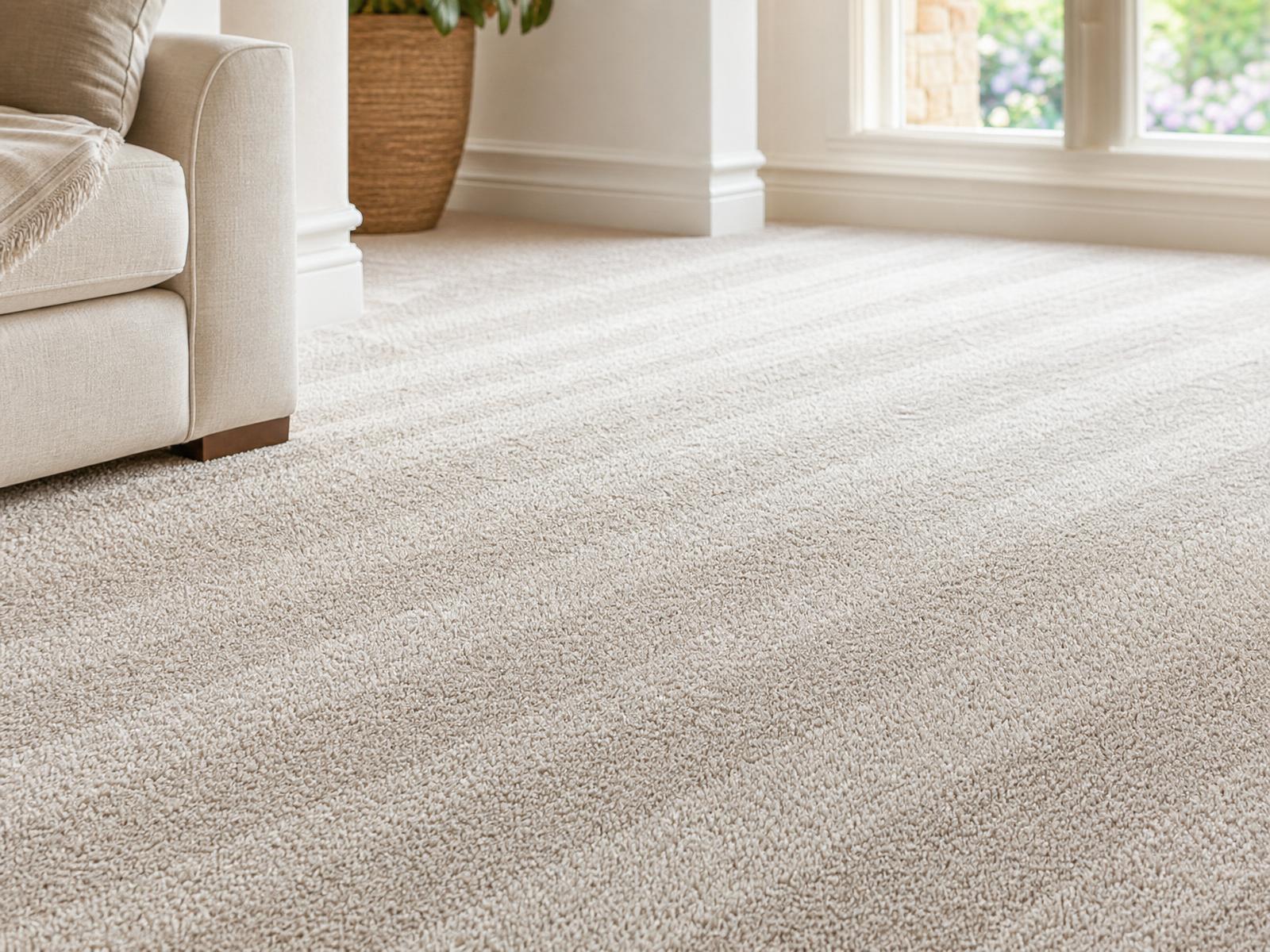
Most homeowners reach for replacement earlier than they need to. A tired carpet, a dulled grout line, a scuffed hallway — these often read as failure when they are simply asking for attention. The question worth asking first is not what will this cost to replace, but what condition is this material actually in?
Start with condition, not appearance
Appearance and condition are different things. Appearance is what the surface looks like today: soil, residue, dullness, traffic lanes, shadowing along baseboards. Condition is structural: whether the fibers, glaze, sealant, seams or substrate are still intact.
A surface that looks poor but remains structurally sound is usually a restoration candidate. A surface that looks acceptable but has failed underneath — delaminated backing, cracked tile, water-damaged subfloor, missing grout — belongs in a replacement conversation with a qualified trade.
Four questions worth asking before you buy new
- Is the damage on the surface, or through it? Soil, residue and dullness live on the surface. Splits, cracks, gaps and soft spots go through it.
- Has this material ever received specialized care, or only routine cleaning? Many homes have never had carpet, grout or hard flooring treated with anything beyond weekly upkeep.
- Is the issue in one area, or the whole room? Entry paths, stair edges, kitchen runs and pet areas wear first. Localized wear rarely justifies a whole-house decision.
- What is the home's next chapter? A residence you plan to enjoy for another decade is served differently from one going to market in six weeks.
Where restoration usually earns its place
Carpet with heavy traffic lanes, pet-affected areas or general dullness often responds well to specialized restoration work. Tile and grout that has darkened over years frequently reads as permanently stained when it is holding years of accumulated residue. Hard floors that have lost their evenness of finish can often be brought back to a consistent, presentable appearance.
Restoration also buys time. Even when replacement is eventually the right answer, a thoughtful reset can carry a home through a listing, a lease turnover, a season of hosting, or a family transition without the disruption of a renovation.
Where replacement is genuinely the right answer
We will say so plainly when a surface is past renewal. Failed substrate, structural cracking, moisture intrusion, delamination and material that has reached the end of its service life belong with the appropriate trade, not with a cleaning approach. Recommending restoration for a material that cannot hold it serves no one.
A simple order of operations
- Have the surface assessed in person, in its own light, with its own history.
- Attempt renewal first when the material is sound.
- Reassess after restoration, with the surface clean and dry, before committing to replacement.
- If replacement is warranted, protect the investment with a care rhythm from the first month rather than the fifth year.
Restore before replacing is not a slogan for us — it is a sequence. It respects the materials already in the home, the money already spent on them, and the homeowner's preference for calm over disruption.